Mimouna 2026: How A Moroccan Jewish Night Is Quietly Becoming Passover’s Big Community Afterparty
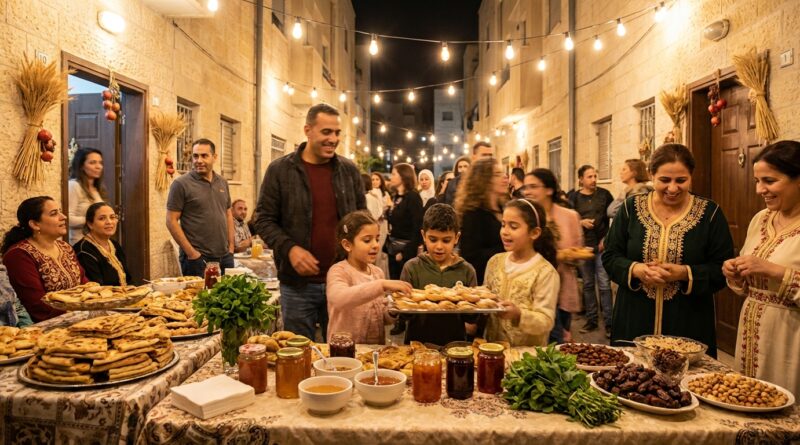
By the last night of Passover, a lot of people hit a wall. You did the seders. You cleaned. You cooked. You had the deep conversations. Then the holiday ends, and instead of a soft landing, it can feel like someone just turned off the lights. That is exactly why Mimouna 2026 is landing at the right moment. If you have heard friends mention it but never quite understood what it is, you are not alone. Many Jews who did not grow up with Moroccan or broader Maghrebi customs know Mimouna as “that party with sweets after Pesach,” which is not wrong, but it misses the heart of it. Mimouna is a warm, open, post-Passover celebration rooted in Moroccan Jewish life, centered on hospitality, blessing, abundance, and seeing each other one more time before everyone disappears back into regular life. Best part, you do not need to be an expert to show up well.
⚡ In a Hurry? Key Takeaways
- Mimouna 2026 begins right after Passover ends and is a Moroccan Jewish celebration of hospitality, sweetness, and community.
- If you are invited, bring flowers, fruit, or sweets, ask respectful questions, and follow the host’s lead.
- The goal is not to “sample an exotic tradition.” It is to honor a living Jewish practice and join in as a good guest.
What is Mimouna, in plain English?
Mimouna is the festive night that follows Passover, especially associated with Moroccan Jews and also recognized across broader North African Jewish life. Homes open up. Tables fill with sweets, jams, butter, honey, fresh flour-based foods, and especially mufleta, a thin pancake usually served with butter and honey. People visit each other. Friends drop in. Neighbors come by. The mood is bright, generous, and very social.
It is not just a random dessert party after a week without bread. It carries themes of blessing, luck, abundance, friendship, and renewed contact with the wider world after the enclosed rhythm of Passover. In Israel, Mimouna has become a public, visible event. Around the world, it is also becoming more common in synagogues, community centers, and private homes.
Why Mimouna 2026 matters right now
Today, Wednesday April 8, 2026, is the last day of Passover in many communities and the lead-in to Mimouna. That timing matters. People are already dressed, already in holiday mode, and often a little emotionally wrung out. Mimouna gives the week a different ending. Less heavy. More open door. More laughter. More, “Come in, have something sweet.”
For many non-Moroccan Jews, this can also be a gentle correction to the way the Jewish calendar is often experienced in practice. A lot of communal life, especially in the English-speaking world, still leans Ashkenazi by default. Mimouna offers a concrete way to honor Mizrahi and Maghrebi Jewish culture not as a side note, but as a living center of Jewish joy.
If you did not grow up with Mimouna, here is how to join without feeling awkward
1. Treat it like being invited into someone’s family rhythm
The easiest mistake is to act like you are attending a cultural exhibit. You are not. You are entering a real Jewish home tradition that means something to the people hosting it. Come curious, not performative. A simple “Thank you for having me, I have always wanted to learn more about Mimouna” goes a long way.
2. Bring a small, friendly gift
Flowers, fruit, pastries, or a box of sweets all work well. If you know the host keeps kosher in a specific way, follow that. If you do not know, flowers are the safest choice. This is a hospitality-forward night. Showing up empty-handed is not a disaster, but bringing something thoughtful helps.
3. Do not worry about knowing every custom
You do not need a script. Watch what the host does. If people are blessing each other, greet warmly. If food is passed, accept some. If there is a queue for mufleta, get in it. You are not being tested.
4. Ask questions that sound human, not anthropological
Good question: “What did Mimouna look like in your family growing up?”
Less good question: “So what is the symbolism of every item on this table?”
People usually enjoy sharing memories. They are less thrilled about feeling like they have to give a lecture while also hosting twenty guests.
5. Stay aware of timing
Mimouna starts after Passover actually ends according to local custom and clock time. If you are hosting your own first-time version, do not put out chametz early. Wait until the holiday is over where you live.
What is usually on a Mimouna table?
This varies by family and community, but some common sights show up again and again:
- Mufleta with butter and honey
- Sweets and cookies
- Jam, dates, nuts, and dried fruit
- Milk or dairy items
- Fresh flour, grains, or green items symbolizing abundance and blessing
- Mint tea or coffee
If you are invited, the right move is easy. Taste what is offered. Compliment the host. Pace yourself. Mimouna tables can look deceptively light until you realize you have eaten six desserts and two pancakes in twenty minutes.
Can you host Mimouna if you are not Moroccan?
Yes, carefully and respectfully. The best version is not “DIY ethnic theme night.” It is either hosting with learning and credit, or better yet, hosting in partnership with people who actually carry the tradition.
A good first-time host plan
Keep it simple:
- Wait until Passover ends.
- Invite a few friends for an open house feel.
- Serve something sweet and flour-based, ideally mufleta if you can make it or learn from someone who does.
- Set the tone around blessing, friendship, and welcome.
- Name the tradition clearly. Say it is inspired by Moroccan Jewish Mimouna and share what you learned.
If you have Moroccan Jewish friends or a local synagogue family that celebrates it, ask if they would be comfortable advising you, cooking with you, or co-hosting. That turns imitation into relationship, which is much closer to the spirit of the night.
Why people call it Passover’s afterparty
Because, honestly, it feels like one. But in the best sense. Not careless. Not shallow. Just relieved, open, and full of food. Passover can be intense. Mimouna lets the whole thing exhale.
That is part of why it has been spreading. It meets a real social need. People want one more night together, but they do not necessarily want another formal meal, another long service, or another heavy discussion. Mimouna says, come by, eat something sweet, see friends, and leave with a blessing.
How to avoid the most common non-Moroccan mistakes
Do not flatten it into “Jewish Mardi Gras”
Fun matters here, but this is not a costume event and not a joke holiday. Keep the tone joyful and grounded.
Do not make it only about carbs
Yes, after a week of matzah rules, fresh baked and pan-cooked flour foods have special energy. But Mimouna is also about generosity, neighborliness, and abundance. The social part matters as much as the menu.
Do not erase where it comes from
Say Moroccan Jewish. Say Maghrebi Jewish when relevant. Name the tradition. Credit matters, especially when a custom gets popular outside the community that kept it alive.
Do not overcomplicate the invitation
Mimouna works because it feels open. “Drop by after Pesach ends for sweets and mufleta” is better than a six-paragraph explanation.
If you are event shy, Mimouna is one of the easier Jewish nights to try
Some Jewish events can feel like you need background knowledge before you walk in. Mimouna is often the opposite. Food helps. Open-house energy helps. People moving in and out helps. You can stay forty minutes and still feel like you participated.
If you are Jewish curious, reconnecting, new in town, interfaith-adjacent, or just tired of only experiencing Jewish life through formal services and committee language, Mimouna can be refreshingly normal. People talk. Kids run around. Someone insists you eat more. It feels lived in.
At a Glance: Comparison
| Feature/Aspect | Details | Verdict |
|---|---|---|
| Best way to attend | Go as a guest, bring a small gift, follow the host’s lead, and ask warm personal questions. | Ideal for first-timers |
| Best way to host | Keep it simple, name the Moroccan Jewish roots, and if possible learn from or co-host with someone who knows the tradition. | Good if done respectfully |
| Main thing to remember | Mimouna is about hospitality, sweetness, and community, not just “finally eating bread again.” | This is the heart of it |
Conclusion
Mimouna 2026 arrives at exactly the moment many people need it. Passover is ending, energy is low, and not everyone wants the week to just stop. This holiday offers a better finish. One more night together. One more table. One more chance to honor a Jewish tradition that too many people have heard about only from the sidelines. Today, Wednesday April 8 2026, is both the last day of Passover in many communities and the lead in to Mimouna, which is a public holiday in Israel and an increasingly visible celebration worldwide. That makes tonight a real opportunity, not just an interesting fact. If you have access to a Mimouna, go. If you can host a small, respectful version, start. In a week filled with big themes and long memories, Mimouna gives Jewish life something equally important. Warmth, welcome, and a sweet reason to stay together a little longer.