Shabbat HaGadol 2026: The Overlooked Pre‑Passover Shabbat That Can Actually Reset Your Jewish Year
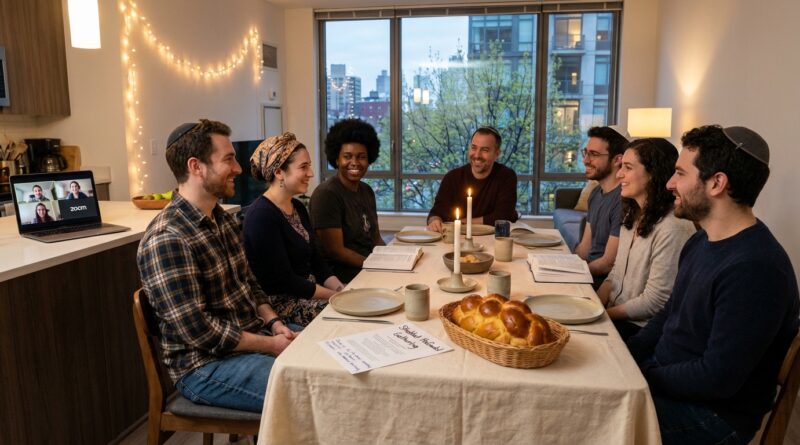
Your mind is probably already full. Chametz lists. Travel plans. Family politics. The group chat about who is bringing what to the Seder. So when someone mentions Shabbat HaGadol 2026, it can feel like one more Jewish calendar item you are somehow supposed to care about. That is frustrating, especially because this Shabbat, on March 28, 2026, can actually help lower the stress instead of adding to it. Traditionally, Shabbat HaGadol is the Shabbat right before Passover, often linked with special learning, reflection, and preparation. But for many people, it has shrunk into “the Shabbat with the long sermon.” That misses the point. This weekend can be a soft reset. Not a huge project. Not a test of how observant you are. Just a practical pause before Pesach, and a chance to reconnect with people, purpose, and your own Jewish year through simple, low-pressure Shabbat HaGadol 2026 community events.
⚡ In a Hurry? Key Takeaways
- Shabbat HaGadol 2026 is not just a pre-Passover sermon day. It can be your easiest on-ramp into community before Pesach begins.
- Pick one small action: join a 45-minute Torah circle, attend a neighborhood candle-lighting meetup, or say yes to one hosted meal or event.
- If you feel isolated or uneasy right now, this weekend matters even more. Low-pressure gathering can help you feel safer, steadier, and less alone.
Why Shabbat HaGadol gets overlooked
Part of the problem is timing. Shabbat HaGadol lands right when everyone is overwhelmed. Even people who care deeply about Passover are often too busy to think about the Shabbat before it.
And then there is the branding problem. If your main memory of Shabbat HaGadol is a long drasha you half-followed while mentally organizing your shopping list, you are not alone. A lot of Jews know it is important, but do not know what to do with it.
That is where a small mindset shift helps. Think of this Shabbat less as a lecture and more as a buffer zone. It is the last calm island before the intensity of Pesach. Used well, it can reset your pace, your mood, and your social connection.
What Shabbat HaGadol is really for
At its core, Shabbat HaGadol is about preparation. Not just the practical kind. Yes, Passover is coming. But Jewish preparation has never only been about cleaning and shopping. It is also about getting your inner life in order.
This is the weekend to ask a few simple questions. Who do I want to be when I sit at the Seder? What kind of home feeling am I trying to create? Where do I feel disconnected, and what would help?
You do not need a perfect answer. You just need a little space to ask the question.
It is a reset, not a performance
This matters especially if you feel like you are “behind” Jewishly. Maybe you do not keep Shabbat every week. Maybe you are going to a Seder mostly for the brisket. Maybe you are Jewish, worried, and tired. Fine. Shabbat HaGadol still belongs to you.
The best use of this weekend is not proving anything. It is starting from where you are.
How to use Shabbat HaGadol 2026 community events in real life
When people search for Shabbat HaGadol 2026 community events, they are often not looking for theology. They are looking for an opening. Something manageable. Something that does not require already being part of the inner circle.
Here are a few formats that work well because they lower the bar without watering anything down.
1. Join a 45-minute pre-dinner Torah circle
This is one of the easiest entry points. A short learning session, in person or on Zoom, can be enough to make the weekend feel real. Not four hours. Not a major commitment. Just one focused conversation about freedom, preparation, or what people carry into Pesach this year.
If you are organizing, keep it simple. Pick one text. One guiding question. End on time. People are much more likely to come if the event feels doable.
If you are attending, you do not need to know anything in advance. Showing up is the whole move.
2. Try a neighborhood candle-lighting meetup
Not everyone is ready for a full hosted meal with strangers. A candle-lighting meetup is easier. Meet in a lobby, courtyard, shared backyard, or host apartment before Shabbat. Light candles if that is your practice. Share a snack. Wish each other Shabbat shalom. Then people can head to dinner plans, or no plans, feeling a little more anchored.
This works especially well for apartment buildings, campus areas, and neighborhoods with a lot of younger adults or recent arrivals.
3. Say yes to one hosted meal, even if you feel awkward
A lot of people skip community invitations because they assume everyone else already knows the songs, the customs, and when to stand up. Most hosts know that is not true. Good hosts are used to mixed comfort levels.
If someone says, “Come for Friday night,” try not to overthink it. You do not need to be “Shabbat-y enough.” You need to be willing to walk through the door.
4. Create a tiny gathering if nothing exists near you
No event in your area? Make the smallest possible version. Invite two people for tea before candle lighting. Start a group text that says, “Anyone want to do a short Shabbat HaGadol check-in on Friday afternoon?” Host a 30-minute reading circle with one source sheet and supermarket cookies.
Small counts. In fact, small is often better because people say yes to it.
What to look for in a good event
Not every gathering will be right for you, and that is okay. A useful Shabbat HaGadol event usually has three things.
Clear timing
If it says 45 minutes, it should be 45 minutes. People are stretched thin before Passover. Respect for time makes it easier to show up.
Warmth without pressure
The event should feel welcoming to people across different levels of observance and knowledge. Good signs include phrases like “all are welcome,” “beginner-friendly,” or “come as you are.”
A real chance to connect
The best events are not just passive listening. Even a quick chavruta, discussion prompt, or shared meal introduction gives people a chance to be seen.
If security worries are part of the picture, name that honestly
For many Jews right now, holiday anxiety is not only about logistics. It is also about safety, visibility, and whether gathering feels emotionally easy. That tension is real.
Community can help here too. Not by pretending things are fine, but by making sure no one has to carry that tension alone. A well-run event will communicate practical details clearly, have a known organizer, and create a sense of care. Sometimes the calmest thing is simply knowing who will be in the room.
If a large event feels like too much, pick a smaller one. If in-person feels hard, join a Zoom learning circle. Connection does not have to be dramatic to matter.
A simple plan for Shabbat HaGadol 2026
If you want this weekend to actually reset you, use this three-step plan.
Step 1: Choose one community touchpoint
One. Not five. A Torah circle, one meal, a meetup, or synagogue services with a friend. Keep it realistic.
Step 2: Prepare one personal question
Bring one question into Shabbat. Examples: What do I need to let go of before Pesach? What kind of freedom do I need this year? Who do I want to invite in, or reconnect with?
Step 3: Follow up after Shabbat
If you meet someone you click with, send the text. If you found a community that felt kind, bookmark it. If the event helped, do not let that feeling evaporate by Monday morning.
The point is not just a nice weekend. It is to create a bridge into the rest of the Jewish season.
Who this is especially good for
Shabbat HaGadol 2026 community events can be especially helpful if you are:
- spending Passover away from family
- new to a city or neighborhood
- feeling rusty about Jewish practice
- hosting a Seder and already stressed
- not invited anywhere yet and embarrassed to say so
- looking for community without a giant commitment
In other words, this is for a lot of people. Maybe more than we admit.
At a Glance: Comparison
| Feature/Aspect | Details | Verdict |
|---|---|---|
| Short learning event | A 30 to 45-minute Torah circle, in person or on Zoom, with one topic and light discussion | Best for busy or hesitant people who want an easy entry point |
| Neighborhood meetup | Informal candle-lighting or pre-Shabbat gathering with nearby Jews | Best for local connection and lowering feelings of isolation |
| Hosted meal or synagogue event | A fuller Shabbat experience with ritual, food, and conversation | Best for deeper immersion, if you can get past the first-minute awkwardness |
Conclusion
Shabbat HaGadol on March 28, 2026 is happening in communities everywhere, but most people either overlook it or only encounter it as a long rabbi’s sermon. That is a missed chance. If you reframe it as a low-pressure on-ramp before Passover, this weekend becomes much more useful. A 45-minute pre-dinner Torah circle. A neighborhood candle-lighting meetup. An invitation you finally accept, even if you worry you are not “Shabbat-y enough.” None of that is small, especially in a season when people are scattered, overloaded, and carrying real social and security anxieties. You do not need to master Passover in one weekend. You just need a soft landing spot. Shabbat HaGadol can be that. And if you let it, it can reset not only your pre-Pesach mood, but the way the rest of your Jewish year begins to feel.