Yom HaAtzmaut 2026: How Local JCC Parties Are Quietly Becoming The New Blueprint For Jewish Unity
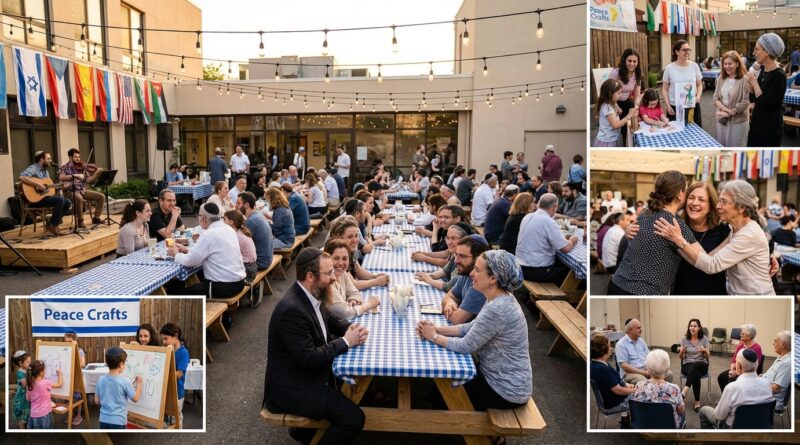
A lot of Jews are walking into Yom HaAtzmaut 2026 with a knot in the stomach. The old formula, flags, music, falafel, speeches, can feel too simple for a year still filled with grief, worry and real disagreement about Israel. If you have been wondering whether it is even possible to mark the day honestly, you are not alone. The interesting shift this year is that many local JCCs and community groups are not trying to force one big emotional note. They are building smaller events that make room for more than one feeling at a time. That turns out to be the point. A family festival can include a quiet memorial moment. A Shabbat for Israel dinner can hold prayer, disagreement and still end with singing. A community ceremony can honor loss first, then move gently into hope. For many communities, that softer, local model is quietly becoming the new blueprint for Jewish unity.
⚡ In a Hurry? Key Takeaways
- Yom HaAtzmaut 2026 community events are getting smaller, warmer and more emotionally honest than the big rallies many people have drifted away from.
- If your local event feels too flat or too tense, add one bridging ritual, a story, a candle, a song, or a short moment of silence before the celebration starts.
- This format works because it gives adults emotional safety, lets kids still have joy, and makes room for people with different politics to show up together.
Why the big community celebration is changing
For years, many communities treated Yom HaAtzmaut like a polished public festival. There was comfort in that. You showed up, found your friends, ate Israeli food, watched the kids dance, and went home feeling connected.
This year is different. For some people, pure celebration feels disconnected from reality. For others, skipping the day altogether feels like giving up on peoplehood. So local leaders have started building something in the middle.
That middle matters.
Instead of asking everyone to feel the same thing, many JCCs are designing gatherings that can hold grief, pride, worry, memory and joy in the same room. Not perfectly. But honestly enough that people come.
What Yom HaAtzmaut 2026 community events look like on the ground
Smaller Shabbat for Israel dinners
These work because dinner tables are less performative than auditoriums. People can say what they actually feel. A rabbi or community host might open with Tehillim, invite an Israeli voice by Zoom, share a short reflection on loss and resilience, then move into the meal.
The win here is simple. People do not feel pushed into cheerfulness. They feel accompanied.
Family-friendly JCC festivals with one quiet pause
The smartest JCC programs are not canceling the kid-friendly parts. They are framing them differently. You still get crafts, dancing, Hebrew songs and food. But before the music starts, there may be a two-minute ceremony. A siren recording. A candle lighting. The reading of names. A short prayer for hostages, soldiers and civilians.
That one pause changes the tone of the whole event. It tells adults, “We see the pain.” It tells children, “Joy is still allowed.”
Tekes ma’avar style ceremonies
If you have never been to one, think of it as a transition ceremony. In Israel, communities often move from Yom Hazikaron into Yom HaAtzmaut with a structured emotional shift. It is not abrupt. It is guided.
That model is spreading because it fits this moment. Instead of pretending grief ended yesterday and celebration begins today, it says both are part of the same story. For many Jews in 2026, that feels more true than either total mourning or total party mode.
Why local JCCs are unexpectedly good at this
JCCs are not always seen as the most profound spaces in Jewish life. Sometimes they are viewed as the place for swim lessons, preschool pickup and holiday booths in the lobby.
But that is exactly why they matter now.
They are used to mixed crowds. Not everyone is Orthodox, Reform, secular, Israeli, American, left, right, young, old or deeply engaged. JCC staff already know how to host people who do not agree on everything but still need a shared room.
That skill set is suddenly very important.
The new blueprint for unity is not getting everyone to say the same sentence about Israel. It is getting them to show up, hear one another, mark the day with dignity and leave feeling a little less alone.
How to tell if an event will feel emotionally safe
If you are scanning listings for Yom HaAtzmaut 2026 community events, look for a few clues.
Good signs
Words like “community gathering,” “ceremony and celebration,” “family program,” “Shabbat dinner,” “shared song,” or “Israel stories.” These usually signal a more human-scale experience.
Mentions of remembrance, prayer, hostages, healing or transition also suggest the organizers understand the emotional landscape.
Potential red flags
If the whole event page sounds like a pep rally, some people will find that energizing, but many will feel unseen. On the other hand, if the wording sounds like a policy panel with snacks, families may stay away.
The strongest events this year tend to balance heart, ritual and community rather than trying to win an argument.
A simple playbook communities can copy this week
If your synagogue, JCC, Hillel or small federation is trying to put something together quickly, you do not need a huge budget. You need structure.
1. Start with a clear emotional frame
Say out loud that this year is complicated. That single sentence lowers the temperature in the room. People relax when they do not have to pretend.
2. Add one bridging ritual
This is the part many events have been missing. Pick one simple act that helps people move from sorrow toward celebration.
Examples:
- Light one candle for loss, then one for hope.
- Read a short memorial text, then invite everyone to sing “Hatikvah.”
- Show photos of community members in Israel, then ask children to come up with blue-and-white ribbons.
3. Bring in an Israeli voice, even by Zoom
You do not need a keynote speaker. A five-minute live hello from a partner community, a cousin serving in reserve duty, an educator in Jerusalem, or a former shaliach can ground the event in real life.
Short is better. Personal is best.
4. Give kids a real role
Children should not just be entertained off to the side. Let them carry candles, hang paper doves, lead a song, or create an “Israel hopes” mural. This keeps the event from becoming emotionally heavy in a way families cannot use.
5. End with food and music
This part still matters. The goal is not to leave people stuck in grief. It is to help them re-enter community life. Shared food does that. Singing does that. Even a modest falafel bar can feel healing when the room has been prepared well.
Why this model may last beyond 2026
This is not only a response to a painful year. It may be a correction to how communal life has been working for a while.
Big stage events can create visibility. They can also flatten people. Smaller local gatherings do the opposite. They make space for mixed emotions, personal relationships and actual conversation. That often builds stronger unity than a louder event ever could.
In other words, the future may look less like a giant rally and more like a room where people can pray, argue a little, eat, sing and still bless one another on the way out.
If you cannot find the right event, make a micro-gathering
You do not need institutional permission to mark the day well. Invite eight to fifteen people. Keep it simple.
- Open with a psalm or moment of silence.
- Ask one person to share a personal connection to Israel.
- Read a short reflection on remembrance and independence.
- Let the kids do one song or art project.
- Serve dinner, dessert or just coffee and bourekas.
That counts. In fact, this year, it may count for more than a bigger event that does not fit the mood of your community.
At a Glance: Comparison
| Feature/Aspect | Details | Verdict |
|---|---|---|
| Large rally style events | High visibility, strong public energy, but often too emotionally one-note for people carrying grief or political tension. | Useful for solidarity, less useful for nuanced community healing. |
| JCC family festivals with a memorial pause | Keeps the music, food and kid-friendly atmosphere, while adding a short ritual that honors pain and memory. | Best all-around format for mixed-age, mixed-politics communities. |
| Small Shabbat dinners or home gatherings | Low pressure, high honesty, easy to include personal stories and Israeli voices by Zoom. | Best choice when people want connection without performance. |
Conclusion
If Yom HaAtzmaut has felt hard to approach this year, that does not mean you are doing it wrong. It means you are paying attention. The good news is that over the next two weeks, communities around the world are already testing a better model. Smaller Shabbat for Israel dinners, family-friendly JCC festivals, and thoughtful tekes ma’avar style ceremonies are giving people a way to be present without shutting off their grief or their questions. That helps readers find or create gatherings that feel spiritually real, politically nuanced and emotionally safe, instead of sitting at home doom-scrolling. It also gives small and mid-size communities a practical playbook they can copy tonight or this weekend, from bringing in Israelis on Zoom to adding one simple ritual that honors loss while still letting kids dance and sing. Sometimes unity does not start with a huge crowd. Sometimes it starts with a room that feels honest enough to enter.