Today’s Omer‑Count Circles: The Quiet Daily Ritual Turning Strangers Into Study Partners
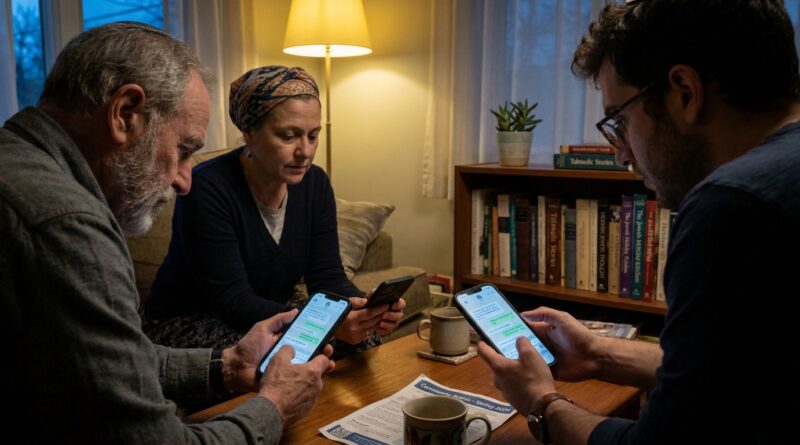
The stretch between Passover and Shavuot can feel oddly empty. The seders are over. Lag BaOmer has its bonfires and energy. Jewish American Heritage Month puts plenty on the calendar. But at 8:30 tonight, a lot of people are still staring at their phones wondering, “What do I actually do that feels Jewish, easy, and not awkward?” That is where a simple Omer circle can help. Think of it as the smallest possible Jewish ritual group. Two or three people. Ten to fifteen minutes. A set time each evening or a few nights a week. You count the Omer, read one short idea, and check in like human beings. No big commitment. No need to be an expert. If you have been looking for Omer counting small group ideas that feel personal instead of programmatic, this is the sweet spot. It turns a quiet season into a daily rhythm, and strangers into study partners.
⚡ In a Hurry? Key Takeaways
- An Omer circle is a tiny nightly group that counts the Omer, shares one short learning prompt, and checks in for 10 to 15 minutes.
- Start with just two friends, pick one consistent time, and use synagogue or JCC events as backup content so you do not have to invent everything yourself.
- Keep it low-pressure. No one has to know Hebrew, teach, or attend every night for it to be meaningful and welcoming.
Why this works right now
The middle of the Omer is easy to miss. It does not have the built-in choreography of a major holiday. That is exactly why people drift.
You may see flyers for a learning night, a park meetup, a Lag BaOmer follow-up, a Jewish American Heritage Month panel, and still feel strangely disconnected. Too many options can feel like no option at all.
An Omer circle solves a very normal problem. It gives you one dependable Jewish touchpoint that does not require a whole evening, a ticket, or a personality transplant.
What an Omer circle actually is
Keep the definition simple. An Omer circle is a very small group that meets briefly during the Omer period to count the day and share one tiny piece of learning or reflection.
The basic format
Here is the easiest version:
- 2 to 4 people
- 10 to 15 minutes
- Phone call, group video, voice note thread, or in-person walk
- Count the Omer
- Read one short prompt
- Answer one check-in question
That is enough. Really.
What you say
You do not need a full lesson plan. A nightly structure can be as plain as:
- “Tonight is day ___ of the Omer.”
- One sentence from a Jewish text, article, or event handout.
- “What is one thing you are carrying today?”
If your group likes more structure, add a theme for each week. Gratitude. Patience. Memory. Repair. Rest.
How to start one without making it weird
This is the part people overthink. Do not pitch it like a formal initiative. Pitch it like a small favor to each other.
Step 1: Invite two people, not twenty
Three is a magic number here. It is enough for conversation, but small enough that scheduling does not collapse.
Try a message like this:
“I want a simple way to mark the Omer without adding another big commitment. Want to do a 10-minute check-in most nights this week? We can count, read one short thing, and be done.”
That sounds human. Because it is.
Step 2: Pick a nightly time you can actually keep
Do not choose your fantasy schedule. Choose your real one.
Good options:
- Right after dinner
- During an evening dog walk
- On the drive home with hands-free audio
- At the end of a synagogue event while people are already together
If every night feels too ambitious, do Sunday through Thursday. Consistency matters more than perfection.
Step 3: Keep the first week almost laughably easy
The fastest way to kill a good idea is to make it feel like homework. For week one, use the same three questions every night:
- What day of the Omer is it?
- What line or idea are we sitting with tonight?
- What is one word for how you are arriving?
Easy content sources so you do not have to invent the wheel
This is where people get stuck. They think they need to become a teacher. You do not.
Use what is already around you. If your synagogue is hosting a short Omer learning session, use one takeaway from that as the next night’s prompt. If the JCC has a Jewish American Heritage Month speaker, pull one line from the talk and ask what it sparked. If a local rabbi posts a daily reflection, read it aloud and move on.
Piggybacking is smart, not lazy. It turns existing community programming into something personal and repeatable.
Good prompt ideas for Omer counting small group ideas
- One sentence from Pirkei Avot
- A short quote from a Jewish American writer or activist
- A question from that week’s Torah portion
- A line from a song people know
- A simple check-in like, “Where did you notice patience today?”
Ways to keep it low-pressure for unaffiliated or rusty participants
A lot of people want connection, but are nervous about getting something wrong. That is understandable. Jewish ritual can feel intimidating when everyone else seems to know the script.
Make these rules clear from the start
- No Hebrew required
- No perfect attendance required
- No one is “teaching the class”
- People can join by text or voice note if they cannot make the call
Those four rules do a lot of work. They lower the emotional cost of joining.
Use the “drop-in friendly” model
Each session should stand alone. That way someone can miss three nights and come back without feeling behind. This matters for parents, shift workers, students, and anyone whose life is messy right now.
Best formats for different kinds of groups
For busy parents
Do a voice-note circle after bedtime. One person posts the count. Everyone shares a 30-second response when they can.
For teens
Use a group chat and one question each night. Keep it quick. Add one in-person meetup each week with snacks.
For young adults
Meet after an existing event. If people are already at a JCC class, happy hour, volunteer night, or synagogue gathering, take 10 extra minutes before everyone heads home.
For older adults or mixed ages
Phone calls still work beautifully. Not every meaningful ritual needs an app.
What if nobody wants to commit?
Then make the ask smaller.
Try a five-night pilot instead of the full Omer. Or frame it around this week only. Once people feel how easy it is, they are much more likely to keep going.
You can also start solo and leave room for others. Count each night in a group chat and post one question. Often, people join once they see that the bar is low and the tone is warm.
Small signs your circle is working
Success does not mean everyone becomes best friends by Shavuot. It means the ritual starts to feel natural.
- People remember the time without reminders
- Someone brings a quote or question without being asked
- The check-in gets a little more honest
- Members start mentioning local events and inviting each other along
That last part matters. The circle becomes a bridge to wider community life, instead of a replacement for it.
At a Glance: Comparison
| Feature/Aspect | Details | Verdict |
|---|---|---|
| Group size | Best with 2 to 4 people, so scheduling stays manageable and everyone gets to speak. | Small is better |
| Time commitment | A consistent 10 to 15 minutes works better than a long weekly session people dread. | Short and sustainable wins |
| Content source | Use existing synagogue, rabbi, JCC, or Jewish American Heritage Month material as your nightly prompt. | Borrow freely |
Conclusion
The beauty of an Omer circle is that it asks very little and gives back a lot. Right now, in the middle of the Omer, there are plenty of local Lag BaOmer follow-ups, learning sessions, and Jewish American Heritage Month micro-events floating around, but not many on-ramps that feel personal. A tiny circle changes that. Invite two friends. Pick a time. Use what your synagogue or JCC is already offering as fuel. Suddenly the passive community calendar becomes an active support network. For smaller or unaffiliated Jews, this is a low-risk way to try regular Jewish learning and mutual care. For active communities, it is an easy structure to drop into group chats, teen groups, and young-adult circles. All that “what’s going on this week” noise becomes one steady daily moment of connection. And tonight, that may be exactly what people need.